
The short answer is yes, emergency blankets can be reused, but with important caveats. While they are often designed and marketed for single-use emergency situations, with careful handling and proper storage, many can serve you reliably multiple times. The key lies in understanding their delicate construction and knowing how to assess their condition after each use.
This comprehensive guide will explain the science behind emergency blankets, provide clear guidelines for safe reuse, and show you how proper care can extend the life of this essential survival tool.
Understanding the Material: What Makes an Emergency Blanket Work
To understand reusability, you must first know what you’re working with. Most common emergency blankets, also known as space blankets or thermal blankets, are made from a thin, durable plastic film called polyethylene terephthalate (PET), often referred to by the brand name Mylar.
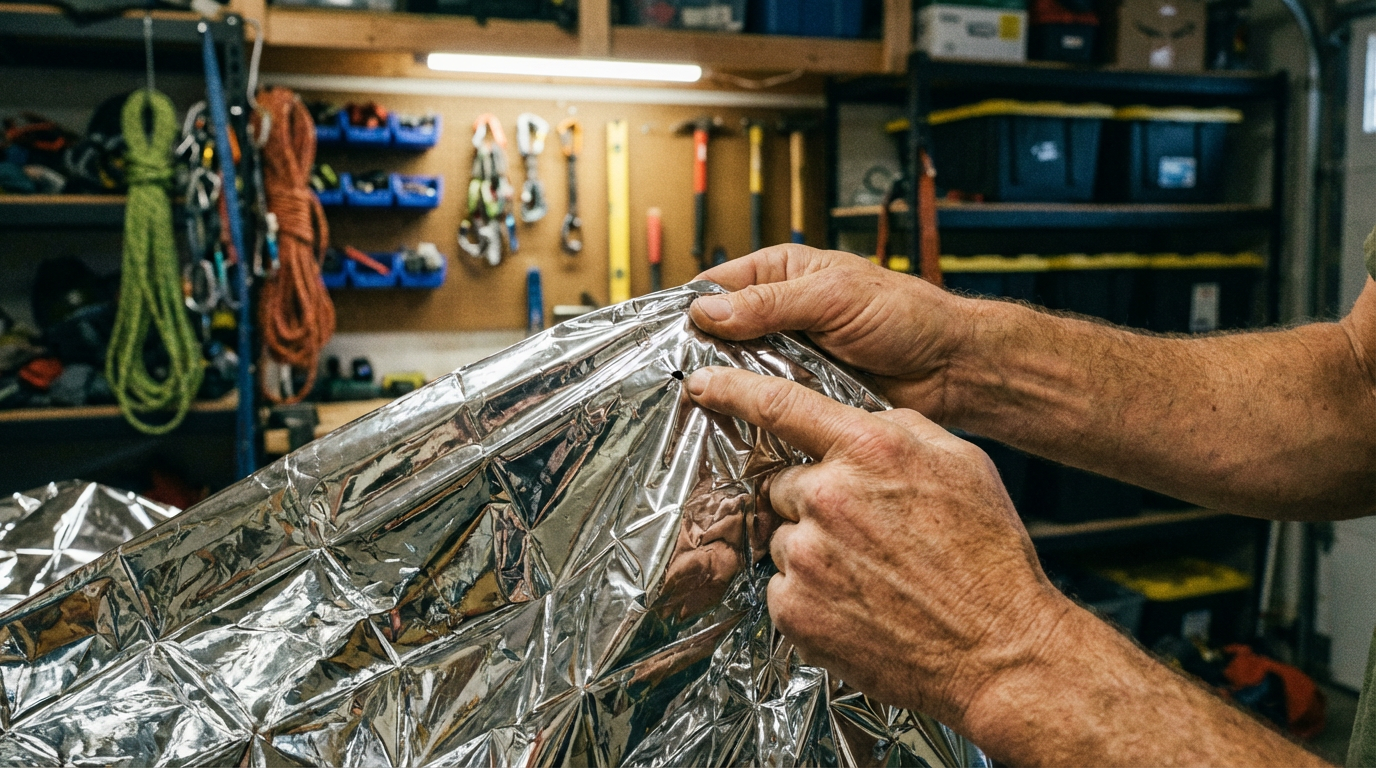
The magic lies in its coating: one side is vacuum-metalized with a microscopic layer of aluminum, creating a highly reflective surface. This surface is engineered to reflect up to 90% of your radiated body heat back toward you, which is crucial for preventing hypothermia. This metallized layer is incredibly effective but also delicate—it can be compromised by abrasion, heavy creasing, and moisture over time.
The Reusability Verdict: It Depends on Condition and Care
Think of an emergency blanket not as a piece of fabric, but as a precision tool. Its longevity isn’t measured in years on a shelf, but in successful deployments. Here’s a breakdown of the key factors:
- Manufacturer Design: Some manufacturers explicitly state their blankets are reusable, while others note they are primarily for single use but can be reused if intact. The difference often comes down to the thickness and quality of the Mylar used.
- Post-Use Inspection: This is the most critical step for determining reusability. After each use, you must carefully inspect the blanket.
- The Role of Proper Storage: How you store the blanket between uses is perhaps the biggest factor in its lifespan. A blanket tossed loosely into a backpack will fail much faster than one correctly folded and protected.
The table below summarizes the core considerations for reusing an emergency blanket:
Step-by-Step Guide to Inspecting and Storing for Reuse
To maximize the number of times you can safely reuse your emergency blanket, follow this post-use routine:
Gentle Cleaning:
If the blanket is simply dusty or damp, lay it flat and wipe it gently with a dry or slightly damp cloth. Do not machine wash, scrub, or use chemicals, as this will damage the reflective coating.
Meticulous Inspection:
Hold the blanket up to the light or over a dark surface. Slowly look over the entire surface, especially along creases and the edges, for any:
- Tears or punctures
- Areas where the shiny coating has rubbed off
- Deep, permanent creases that look white or cracked
Proper Drying:
Ensure the blanket is completely dry before storing it to prevent mold and material degradation.
Careful Folding & Storage:
Fold it loosely along varied lines or roll it up. Place it in a protective pouch or a sandwich-sized resealable plastic bag. Store it in a cool, dry place away from sharp objects and direct sunlight.
When to Retire Your Emergency Blanket
Knowing when to replace a blanket is as important as knowing how to reuse it. You should safely dispose of and replace your emergency blanket if you notice any of the following:
- Any tears, holes, or significant peeling of the reflective layer.
- It was used in a real medical emergency where it contacted bodily fluids.
- It has become heavily soiled or contaminated.
- The material has become excessively brittle or the coating is visibly flaking.
- It has been stored for a very long time (typically 5+ years) in unknown or poor conditions and you doubt its reliability.
Finding a Reliable Source for Quality Emergency Blankets
For those who understand the value of preparedness, the quality of your gear is paramount. A superior emergency blanket starts with a thicker, more durable Mylar substrate and a consistent metallized coating, features that directly enhance its potential for safe reuse.
For individuals, families, and organizations seeking reliable emergency preparedness supplies, it is worth exploring specialized manufacturers who prioritize material quality and durability. Companies that focus on survival gear often subject their products to stricter standards, resulting in blankets that offer better performance and longevity for scenarios where you might need to rely on them more than once.
As a manufacturer committed to high-quality survival and safety products, we at Tengyue Gift design our emergency blankets with durability in mind. We understand that a reliable tool is one you can trust, whether it’s your first time using it or your third. When you choose your emergency supplies, consider the source and opt for quality that won’t let you down when it matters most.
Frequently Asked Questions (FAQs)
1. How many times can I realistically reuse an emergency blanket?
There’s no fixed number. With extremely careful handling, perfect storage, and only light use, some may last a handful of times. However, you should always prioritize its condition over a presumed number of uses.
2. Do emergency blankets expire if never used?
While they don’t have a strict expiration date like food, the materials can degrade over time, especially if stored poorly. Exposure to oxygen, moisture, and UV light can slowly break down the Mylar and adhesive. It’s best to replace them every few years if they are part of a critical emergency kit.
3. Can I wash my emergency blanket to reuse it?
No. Do not submerge, machine wash, or aggressively clean an emergency blanket. Water and detergents will damage the reflective coating. Only gentle wiping with a damp cloth is acceptable for light soil.
4. What’s the difference between a reusable emergency blanket and a regular one?
“Reusable” blankets often use a slightly thicker, more durable grade of metallized Mylar or may incorporate a woven fabric backing for added strength. Standard disposable blankets use the thinnest viable material to minimize cost and size.
5. Are there more durable alternatives for repeated use?
Yes. For scenarios where you know you’ll need repeated thermal protection (like routine camping), consider emergency bivvy sacks (which are like sleeping bag liners made of similar material) or reinforced survival blankets that often include grommets and a more rugged build.
6. Is the crinkly sound a sign of damage?
Not necessarily. The characteristic crinkly sound is normal for thin Mylar. However, if the sound changes drastically or the material feels unusually stiff and brittle, it may be a sign of degradation from age or cold.
Conclusion
Yes, emergency blankets are reusable if they remain in good condition. The key to extending their life lies in careful handling, proper cleaning, and thorough inspection after each use. By gently wiping them clean, avoiding sharp creases, and storing them folded in a dry pouch, you can preserve their critical heat-reflecting ability for multiple emergencies. Remember, their reusability isn’t guaranteed but earned through meticulous care.
Ultimately, an emergency blanket is a reliable, durable tool designed for serious situations. Treating it with respect and understanding its limits ensures it will be ready when you need it most. Always prioritize safety by retiring any blanket that shows tears, peeling, or significant damage, and make sure your emergency kits contain gear you can truly trust.